
Finding the Weakest Link: How Project & Risk Management Turned Chaos into Clarity
11/9/25
💡 “Never doubt that a small group of thoughtful, committed citizens can change the world; indeed, it's the only thing that ever has.” — Margaret Mead
Katie slumped back in her chair, staring at the sketches on the wall. Her team of engineers had been grinding away for weeks on their big idea: a portable solar-powered greenhouse with heated flooring that could grow food anywhere, no matter the climate.
It sounded amazing. But in reality? It was a mess.
Everyone had their own idea about where to focus. One engineer was obsessed with the solar panels. Another kept pushing for stronger greenhouse walls. A third wanted to fine-tune the wiring. Everyone was busy… but nothing was coming together. Katie felt like she was trying to herd cats.
That’s when Lee Scott walked in to run a session on project management and risk management. Katie wasn’t expecting much, but by the end of the conversation, she had the clarity she needed.
The Triple Constraints: What’s Really Driving This Project?
Lee kicked things off with a simple visual: three upside-down triangles.
- “Give me what you can within this budget.” (Resource-driven)
- “Give me exactly what I want, whatever it takes.” (Scope-driven)
- “Give me the best you can do by the deadline.” (Schedule-driven)
Katie instantly saw it. Their greenhouse project wasn’t about speed or budget. It was scope-driven. The vision mattered most: durable heated floors powered by solar, working in any climate. Everything else — time and cost — had to flex around that.
For the first time, she knew what to say “yes” and “no” to.
Processes vs. Projects: Don’t Get It Twisted
Then Lee made another distinction that clicked for her:
- Processes are the day-to-day, repeatable stuff — like running payroll or answering customer calls.
- Projects are temporary, one-time efforts to create something new.
Katie realized her team had been treating their greenhouse like a process to “manage,” when in fact it was a project to create. That meant innovation, problem-solving, and alignment — not just keeping things chugging along.
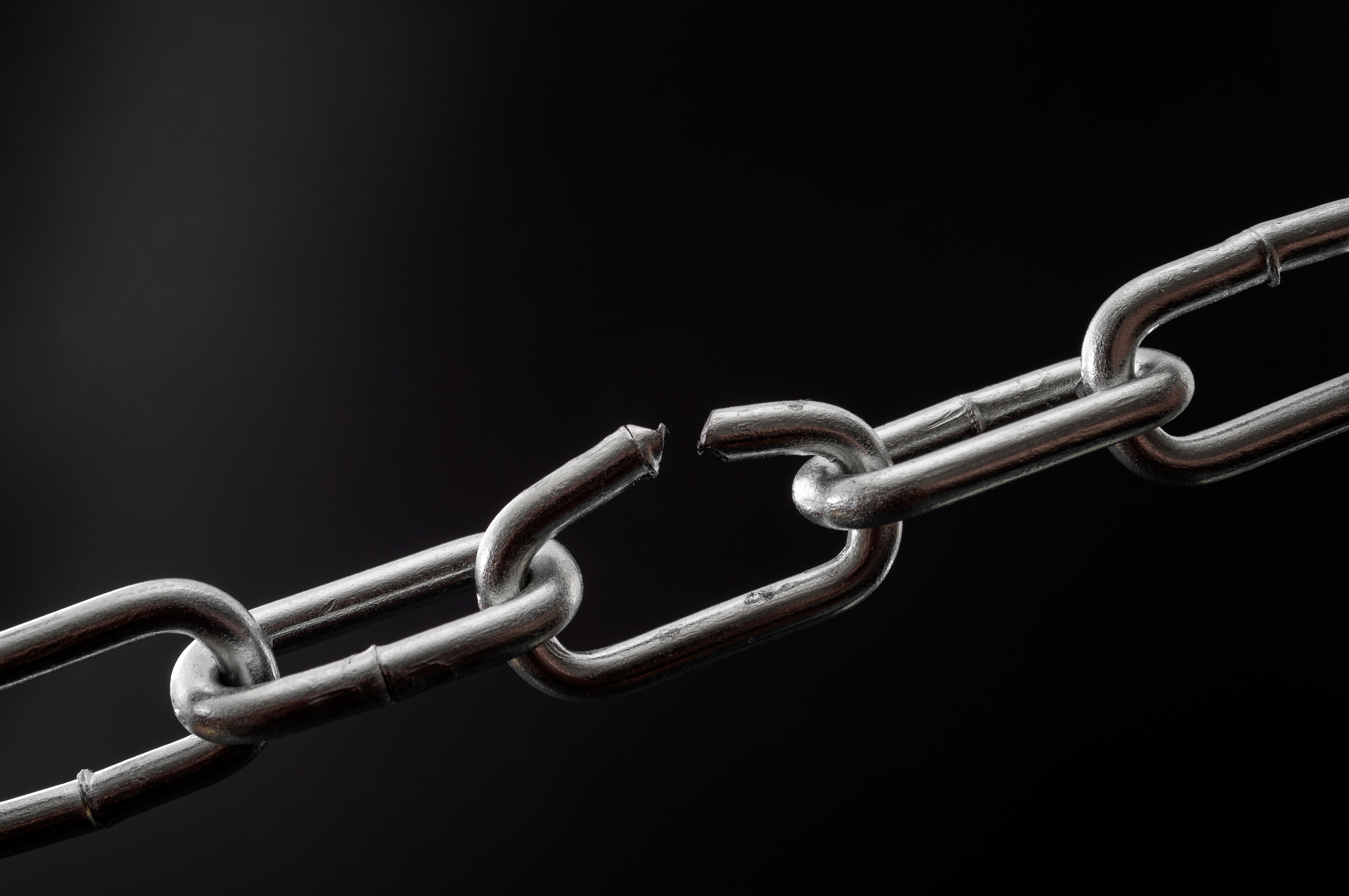
The Weakest Link: Where to Actually Focus
Here’s where everything came together. Lee asked the room:
👉 “A process is like a chain. Which link determines the maximum strength?”
Of course — it’s always the weakest link. Then he pushed further:
- What happens if we improve any other link?
- Sure, it might make that one piece stronger…
- But the overall chain? Still weak.
- And it probably costs more time and money.
- Which means the overall ROI actually goes down.
👉 So where should we target our efforts?
Always — the weakest link.
Katie felt a lightbulb go off. The flooring material was the weak link. Until they figured out something durable enough to handle heat and wear without breaking down, the rest didn’t matter. Solar panels? Pointless if the floor fails. Greenhouse walls? Useless if the floor cracks. Wiring? A distraction.
Her whole team had been working hard, but not together. They were strengthening the wrong links.
Risk Management: Expect the Bumps
Lee reminded them that every project has risks. The job of a project manager isn’t to avoid them — it’s to see them early, plan for them, and adjust before they become disasters.
For Katie, that meant asking:
- What if the flooring material breaks down too quickly?
- What if it overheats and drains the solar power?
- What if the cost of the material makes the whole greenhouse unaffordable?
Instead of panicking about those risks, she now had a way to line them up, talk through trade-offs, and test smarter.
Clarity Out of Chaos
That afternoon, Katie pulled her team together.
“Look,” she said, pointing at the diagrams Lee had left on the whiteboard. “We’ve been running in circles. The weakest link is the floor. Until we solve that, none of the rest matters. So let’s put our energy there first.”
It was like the room exhaled all at once. Finally, they were aligned.
They stopped spreading themselves thin across ten different “nice-to-haves” and zeroed in on the real bottleneck. And suddenly, progress felt possible again.
The Takeaway
Project management and risk management aren’t about piles of paperwork or rigid rules. They’re about clarity. They help you see the trade-offs, focus on the weakest link, and get your team moving in the same direction.
Katie’s greenhouse isn’t finished yet — but now, it’s moving forward with purpose.
Because, as Margaret Mead said, a small group of thoughtful, committed people really can change the world. 🌱
Ready to unleash your leadership?
Discover how our large-scale Strategic Planning and Operational Management Services can transform your organization, dive into practical growth with Unleashing Leaders University and get inspired by real stories on The Unleashing Leaders Podcast.